Seven Years of MBC

July 18, 2026

I’ve been thinking about how to frame this update. The short version is that everything is fine at the moment. I changed medications in April and my scans and bloodwork show that the presence of cancer in my body has decreased.

For this I am extremely grateful.

I also know that I’ve been amazingly fortunate. This month marks 7 years since I receive my metastatic breast cancer (MBC) diagnosis. I’m quite certain I’ve had it longer than that – it was misdiagnosed for at least 9 months before that.

While the statistics of how long you can live with MBC are outdated, 7 years is pretty notable.

The longer I live with MBC and stay involved with MBC advocacy, the more people I meet from across the U.S. and around the world. The number of people I know who have died from MBC in the first half of 2026 alone is too many to count.

Why me? Why was I diagnosed with this? Who knows. Why am I still alive? Unclear. Why do I respond pretty well to most medications? No one has a good answer. Why can I tolerate medications better than almost anyone else I know with MBC? Unknown.

What I do know is that I am fortunate and yes I’m going to use the word privileged.

It’s a known fact that people with higher incomes have better insurance and get better health care treatment in the U.S.

It’s a known fact that more money is spent on breast cancer research than any other kind of cancer, resulting in better understanding and treatment options.

It’s a known fact that non-White individuals with MBC have poorer outcomes.

It’s a known fact that people who live in rural areas fare worse than those that live in urban areas.

I have a professional job that allows me to set my own schedule, work from home and take better care of myself than if I were an hourly employee working retail.

I am educated enough to understand how to read medical publications and understand the biology of this disease which helps inform my approach to living with it.

For all of these things I am grateful.

I will never be grateful for having cancer, I will never call it a “gift”.

Cancer is a thief. It robs you of your life. You are faced with creating a new one. If you are lucky enough you can create something like a new normal. Many people are not that lucky.

I plan my life in 3 month increments. At the same time, I have long term goals. I will be attending Maddy’s college graduation in 2029. I will be visiting Evelyn in whatever city she ends up working. I will celebrate my 60th birthday.

I have a positive attitude because I don’t see any other choice.

We are all dealt a hand of cards. Unfortunately, one of mine is cancer. It does not define me, but it shapes me. It shapes my family and impacts my friends.

For 7 years I’ve been providing updates on my situation. I realize that may seem odd and counter to the diagnosis and prognosis.

I live everyday knowing that today could be the day the cancer mutates and outsmarts the medication. That is a heavy load to carry.

In some ways I and my family have a terrible situation. In other ways, are living a life others can only wish for.

We all have one life and we choose everyday how we want to live it.

I choose to work to make the world a better place. I choose to help others understand what MBC is. I choose to support my MBC sisters and brothers by providing peer support. I choose to support science by being a research advocate. I choose to live life to the fullest and embrace each day as an opportunity.

I choose life.

How much life I have and how much life you have is not known. No one is guaranteed tomorrow, make the most of today.

Onward.
BCAM and Lobular Conference

October 20, 2024

It’s been a busy couple of weeks. The main thing to share is that I feel great and have largely been able to do all the things I’d like to. My main medication (Enhertu) does cause significant nausea and vomiting (yes, that is the reality of MBC) but I have some medication that largely keeps it at bay.

My recovery from the hip replacement is going very well. All restrictions are lifted and I’m working with my PT to get more flexible as well as gain strength and endurance while walking.

October is Breast Cancer Action (Awareness) Month. This year hit differently for me and I can’t pinpoint it. It’s been hard. I did update the blog pages to include my favorite organizations for supporting breast cancer. You can see it here: Organizations to Support. If you are inclined to share some of your hard earned money to breast cancer research you are welcome to donate to my efforts to support METAvivor on this page.

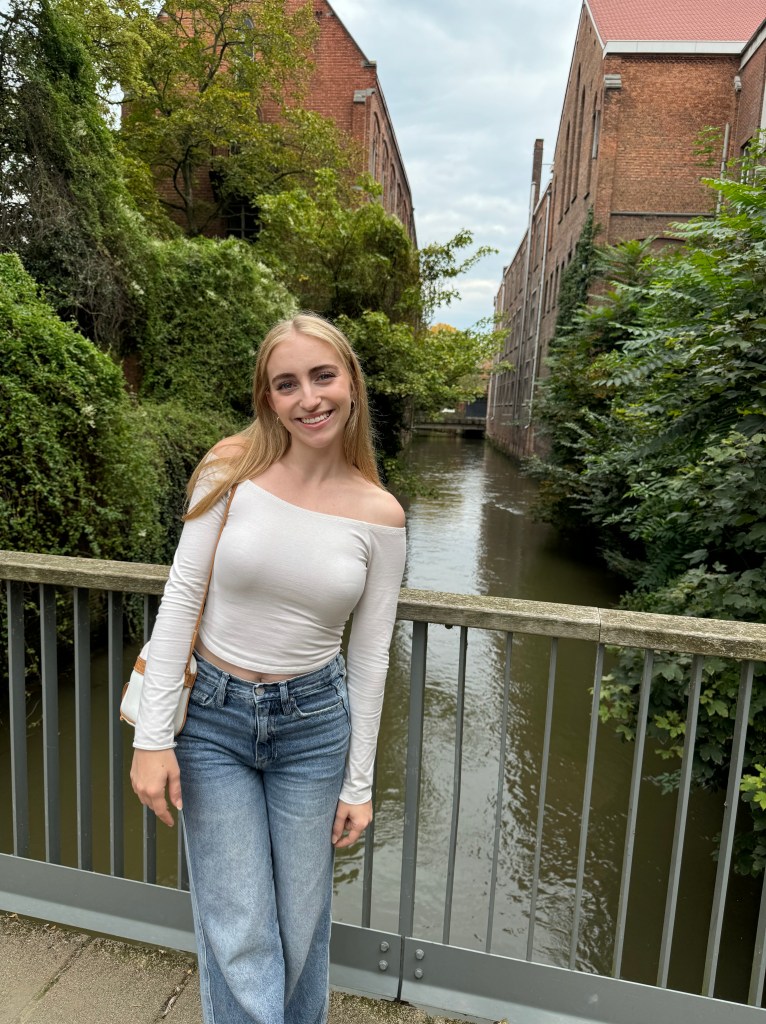
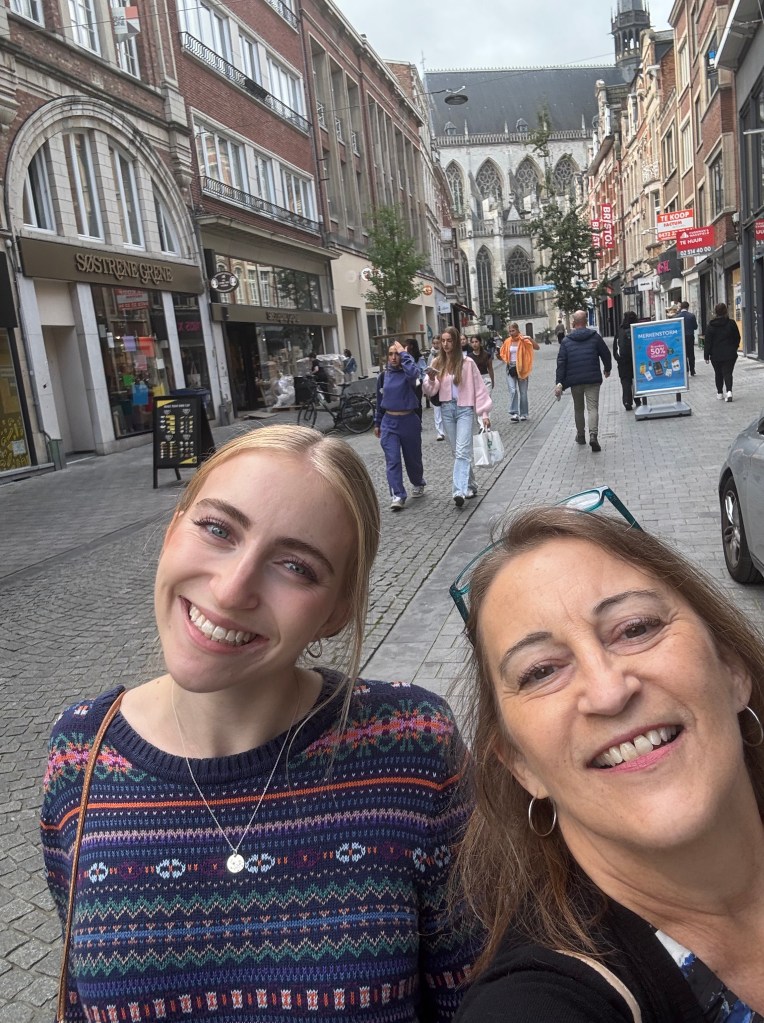
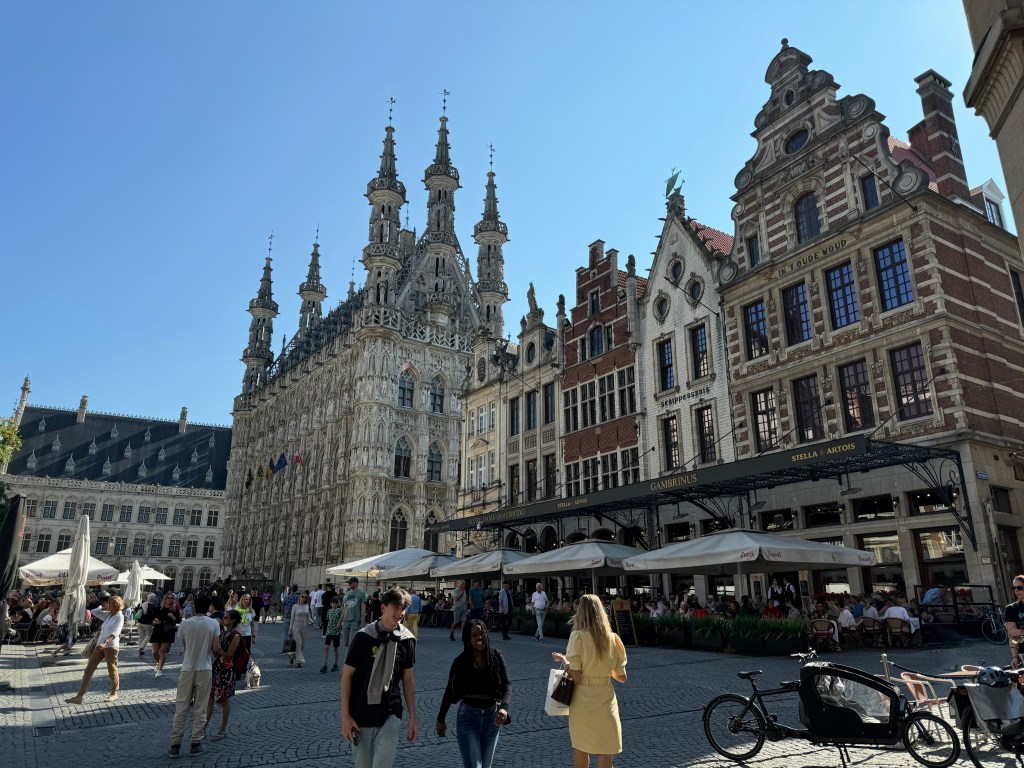
Last month Maddy and I went to Belgium to attend the International Lobular Breast Cancer Symposium. In addition to enjoying the city of Leuven, I learned a lot about the state of research of lobular breast cancer. I have a short write up of what I learned at the end of this post.

Going back to the month of October and breast cancer – please “Think before you Pink” and know where your money is going. Awareness will not help those of us being treated for cancer. Ask questions, if they can’t tell you where the money is going it’s probably not a good investment.

I have treatment again this coming Wednesday. I’m usually at the cancer center for ~4 hours total including office visits, labs and treatment. I use the time to keep up with work but also read – or nap!

Take care of yourselves and your loved ones and enjoy fall.

Onward!

Here is the summary of my experience at the Symposium:

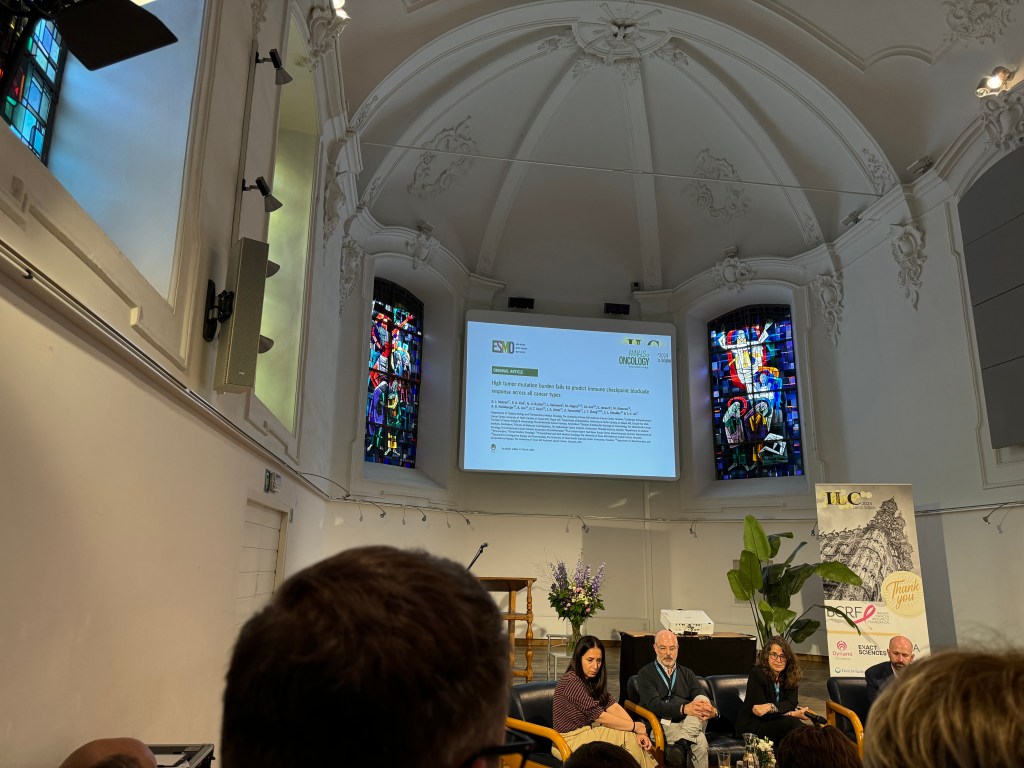
The ILC Symposium, held in Leuven Belgium, was attended by clinicians, researchers, and patient advocates. I attended the 3-day event as a patient advocate. There were just under 190 people in attendance. There are three main points I took away from the Symposium. Imaging for ILC is not very good and needs a lot of improvement. There are new opportunities for understanding an individual patient’s ILC/disease using circulating tumor cell technology. There are many people passionate about ILC and working to move the needle both in treatment and awareness. I found the opportunity to network with other patient advocates to be very good on Monday. We traveled to the university hospital and the time together on the bus allowed for very informal conversations. On the way back from the hospital we discussed what we saw and how the treatment there differs from the U.S. I found the lunch period another good time to network. It was rather difficult though for me personally to manage lunch because I have mobility issues and a cane and there were no tables to sit at. Because of this I ended up sitting elsewhere initially during lunch and then working to join conversations after.  

I attended a breakout session devoted to “Imaging primary and metastatic ILC.” Breakout sessions ran concurrently and attendees could self-select which they wanted to join. There were approximately thirty attendees in this breakout session. The overall message was that imaging needs to be improved to be able to diagnose and monitor lobular breast cancer. It was interesting to hear from multiple people on the panel that there is also a shortage of radiologists, causing delays for patients. Patient concerns were shared with researchers and clinicians and among the top concerns were access to imaging, exposure to radiation, contrast exposure and difficulty with IV placement.   

The second session I’ll summarize was focused on Tumor Microenvironment, specifically in Metastatic ILC. Here there was a presentation about circulating tumor cells (liquid biopsies) and how that may be a future way to monitor metastatic progression. There needs to be more research and clinical trials into liquid biopsies in various biofluids (beyond blood). This is an area that really needs more focus. Also discussed in this session was to promote research on misdiagnosis and delayed diagnosis in ILC as well as addressing patient-identified concerns through targeted research. I found those two discussions very interesting, and somewhat frustrating. It is clear we have a long way to go when it comes to diagnosing and treating metastatic ILC.

I’ve already had the opportunity to share what I’ve learned. I attended a metastatic breast cancer event the week after the Symposium and shared with other patient advocates what I learned. In addition, I’m the moderator for two facebook groups (one focused on lobular bc) and I shared some information already and will share more in the coming weeks. I also posted on social media during the Symposium, reaching several hundred followers. My hope is not only to educate but to prompt others to become ILC advocates in the future.